Timeless Elegance: Traditional Meets Contemporary in Home Remodeling Dec 18, 2025
The traditional design is often rooted in rich, historical aesthetics that evoke a sense of nostalgia and warmth. Think of the intricate woodwork found in crown moldings, the gracefulness of antique furnishings, or the lushness of layered textiles. Meanwhile, contemporary design focuses on simplicity, clean lines, and open spaces. It embraces minimalism but with a focus on function and form. So, how can these seemingly contrasting styles coexist harmoniously in one home?
Start by analyzing the current architecture of your home. Identify what elements of the existing structure lend themselves naturally to a traditional or contemporary style. For instance, an old Victorian house might already have traditional elements like grand staircases or decorative cornices that can be retained or even accentuated. Beyond Contracting often advises clients not to erase history but to enhance these features with complementary modern touches, such as sleek metal fixtures in a renovated kitchen or contemporary art pieces in the living room.
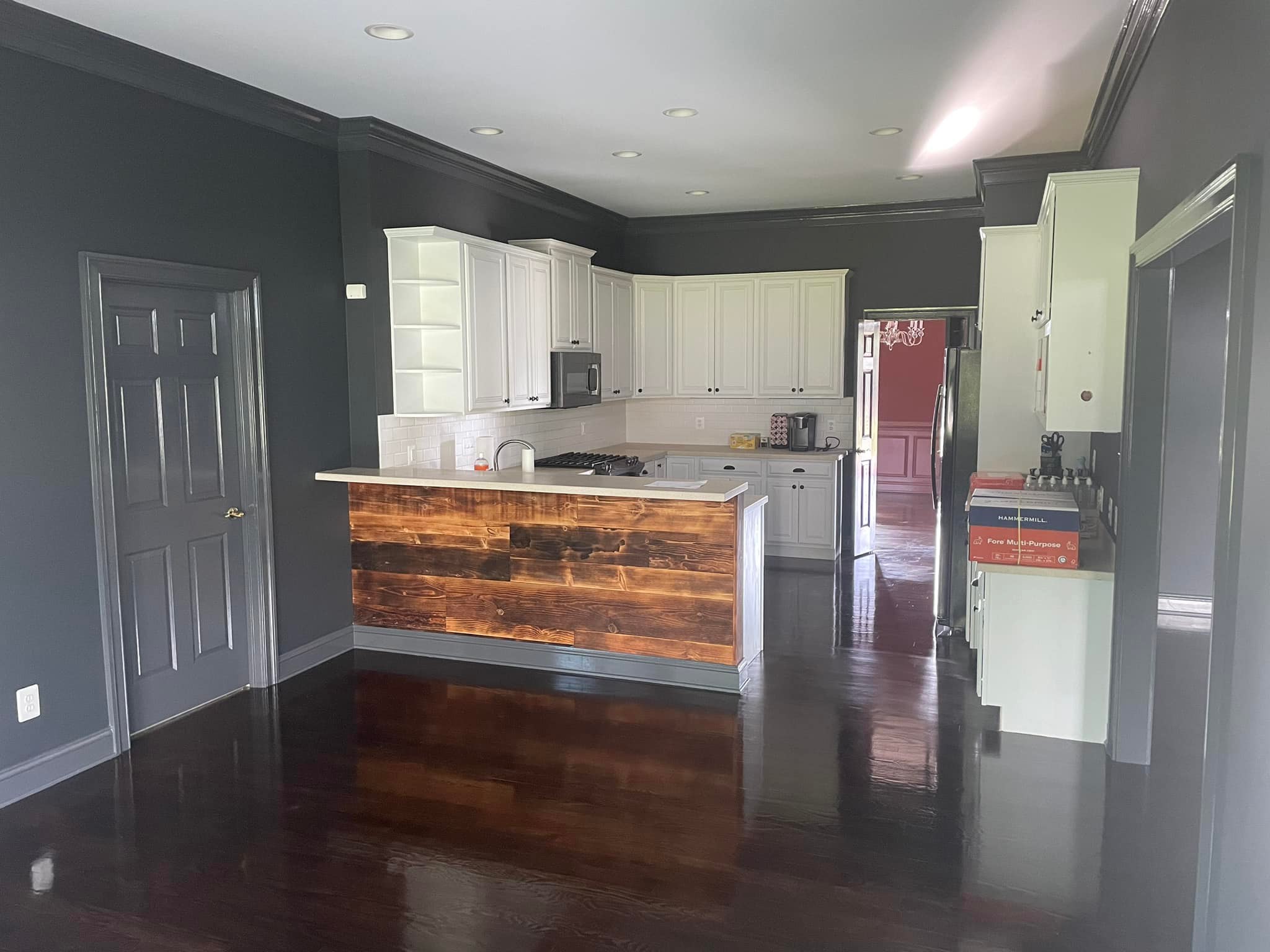
Color palettes play a crucial role in marrying traditional and contemporary styles. Traditionally inspired homes often use warm colors and earth tones, while contemporary spaces favor neutral shades. Combining these can create a cohesive look—think rich navy walls accentuated with modern white trims or an earthy terracotta room complemented by sleek, monochromatic furniture. These contrasts not only add visual interest but ensure the home feels both grounded in tradition and distinctly modern.
Furniture and decor also bridge the gap between traditional and contemporary. Opt for classic pieces—perhaps a vintage armchair or ornate mirror—that provide a nod to the past, while complementing them with streamlined, modern pieces. Beyond Contracting’s experts recommend choosing multifunctional furniture that offers both style and practicality, like a rustic wooden dining table paired with minimalist chairs. Such combinations maintain the room’s historical integrity while infusing it with modern sensibilities.
Lighting is another essential element when blending styles. Traditional homes often feature opulent chandeliers and warm lighting, whereas contemporary designs prefer understated fixtures with LED lighting for efficiency. Implementing a mix of both can highlight specific design elements, creating focal points throughout the home. Consider using modern recessed lighting alongside vintage pendant lights to achieve the perfect balance.
Incorporating outdoor elements can enhance the traditional-meets-contemporary approach. Gardens with old-world charm can be maintained with modern landscaping techniques for sustainability, blending the natural beauty of the outdoors with efficient design practices. For indoor spaces, large windows or glass doors can invite natural light and integrate exterior views, creating a seamless indoor-outdoor transition.
Ultimately, the key to successfully blending traditional and contemporary styles lies in balance and harmony. Embrace a strategic combination of elements from both design philosophies, and work with remodeling experts who understand the nuances of each style. Beyond Contracting’s team of design and construction professionals can guide you in creating a living space that is not only beautiful and functional but also reflects your personal taste and lifestyle.
With the right blend of creativity and expertise, the merging of traditional elegance and contemporary simplicity can culminate in a sophisticated, timeless home that caters to modern needs while celebrating history’s rich contributions to design.
/filters:no_upscale()/filters:format(webp)/media/175ecd79-0d20-498c-a992-29a7808e253c.jpeg)
/filters:no_upscale()/filters:format(webp)/media/25459660-3eeb-4ca5-8bb7-3c62a151ebef.jpeg)